
Commercial Gas Engineers · UK Wide
Professional Gas Services for Industrial Safety, Efficiency and Compliance
Gas Purging provides services to ensure industrial operations’ safety, efficiency and compliance. Industries such as oil & gas, chemical processing and pharmaceuticals rely on our solutions to protect their systems and meet safety standards.
- Gas Safe certified engineers
- Available 7 days a week
- Nationwide coverage
- Free no-obligation quotes
Why It Matters
What Is Gas Purging, and Why Is It Important?
Gas purging removes unwanted gases from pipelines, tanks or vessels using inert gases like nitrogen or argon. This process prevents the formation of hazardous or explosive gas mixtures, maintains system safety and ensures equipment operates efficiently.
Clean gas environments reduce equipment corrosion and extend operational lifespan. Regular gas purging minimises breakdowns and keeps systems functioning reliably, a real benefit for industries that depend on high safety standards.
- Prevents hazards: stops explosive gas mixtures forming in pipelines, tanks and vessels.
- Protects equipment: reduces corrosion and contamination, extending system lifespan.
- Keeps you compliant: performed to strict ISO, NFPA and OSHA standards.
Specialised Solutions
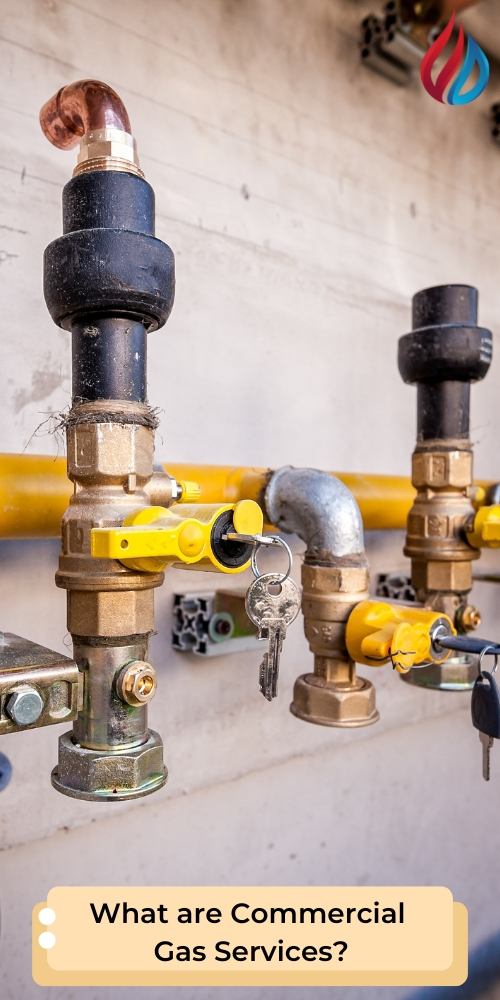
Commercial Gas Services Across the UK
Our committed team, available seven days a week, provides these expert solutions across the nation, for businesses of all sizes, from multinational corporations to local enterprises.
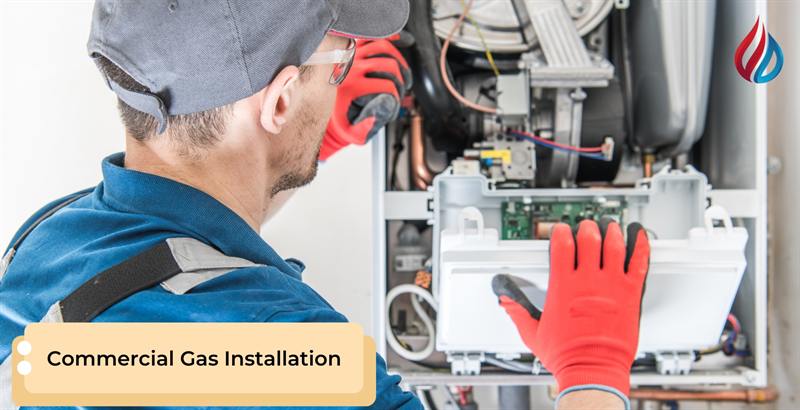
Commercial Gas Installation
Pipelines, meters and appliances installed by certified engineers for a safe, efficient gas supply.
Explore service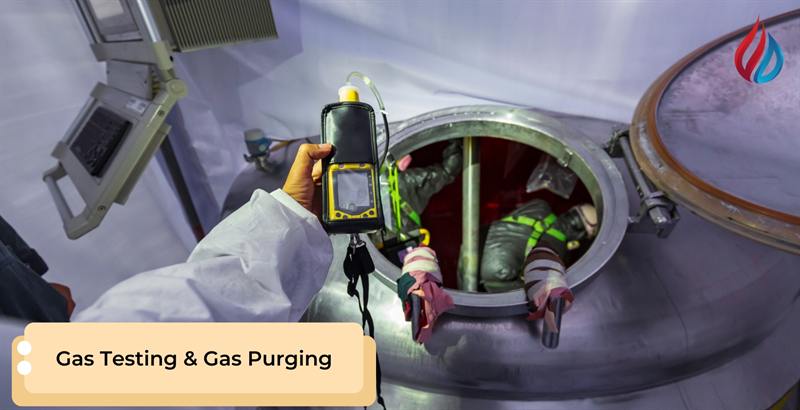
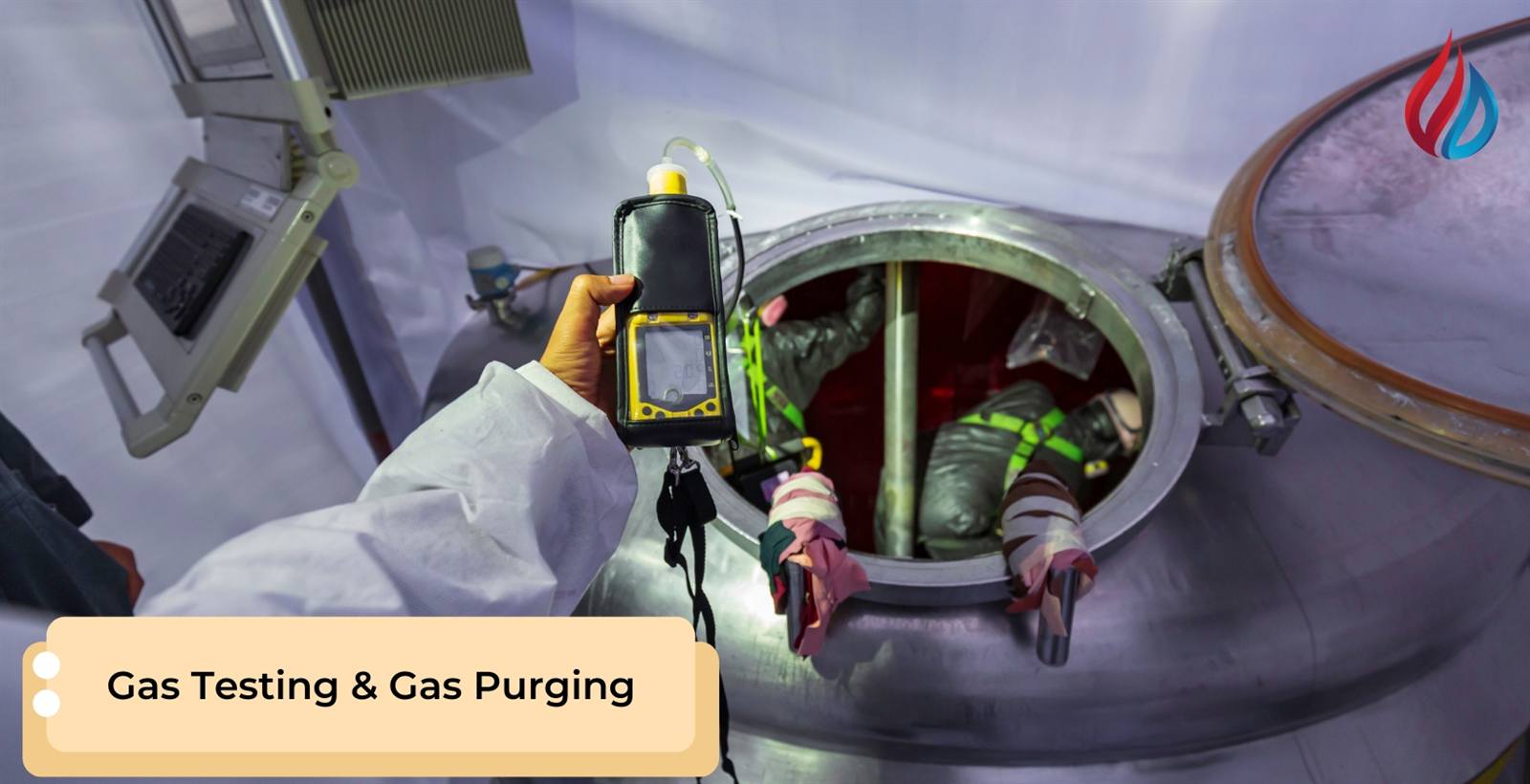
Gas Testing & Gas Purging
Detect harmful gases and purge systems with inert gas to prevent hazards and contamination.
Explore serviceUnderground Pipework Installation
MDPE gas pipelines installed below ground for safe, compliant and reliable gas distribution.
Explore service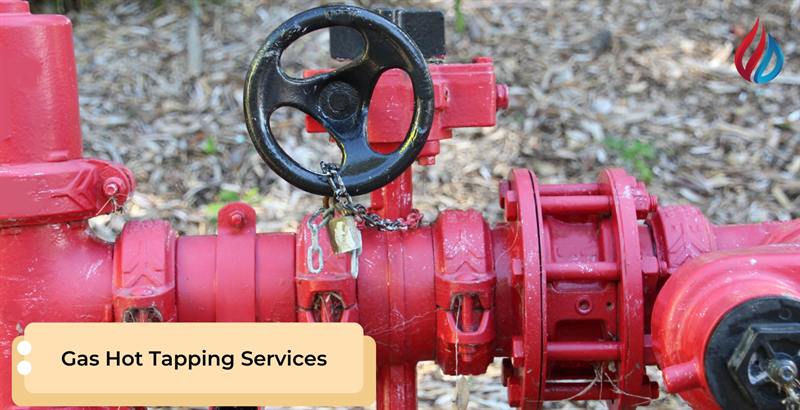
Gas Hot Tapping Services
Modify pressurised gas pipelines without shutting down, with no interruption to your operations.
Explore service
Commercial Gas Certificates
Legally required gas safety inspections and certification for businesses using gas appliances.
Explore service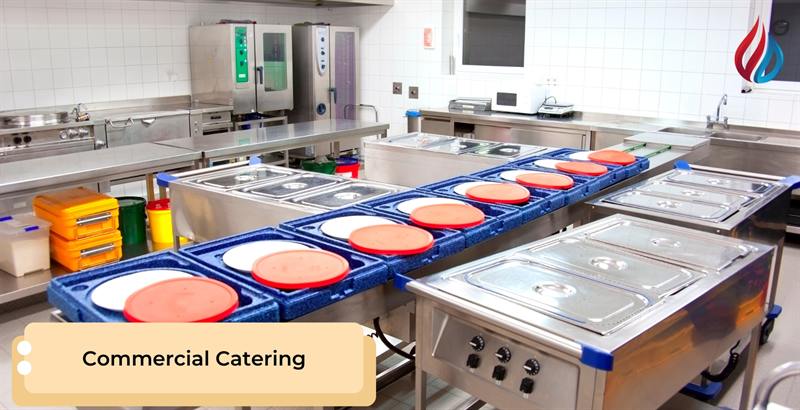
Commercial Catering
Installation, maintenance and servicing of gas appliances for professional kitchens.
Explore service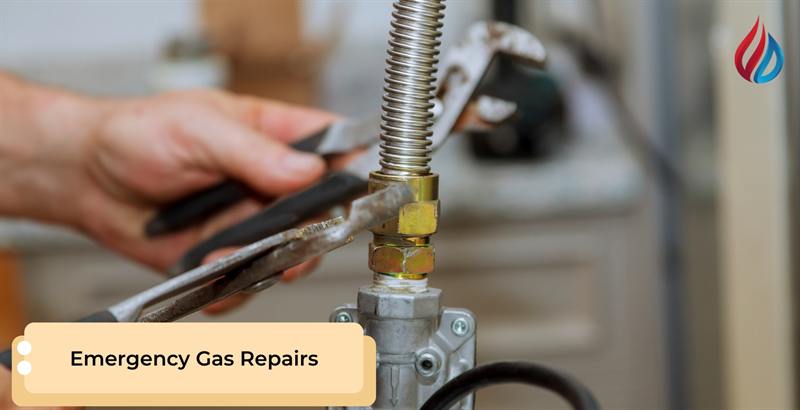
Emergency Gas Repairs
Fast response to gas leaks and equipment failures to restore safe operations quickly.
Explore service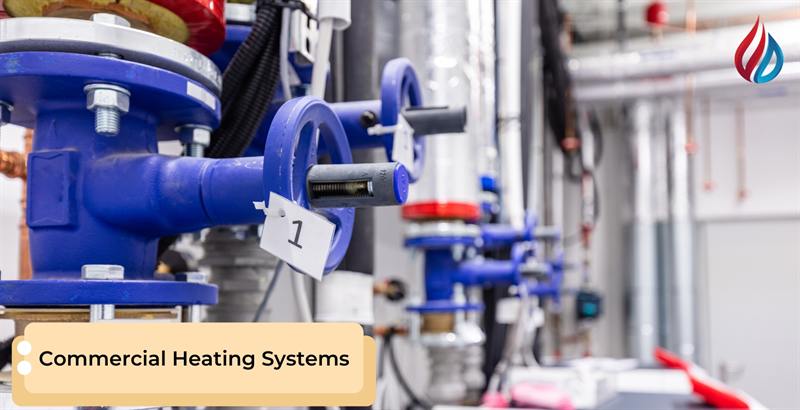
Commercial Heating Systems
Efficient, safe heating for warehouses, factories and offices, installed and maintained.
Explore serviceWhy Choose Gas Purging
Safety, Efficiency and Compliance, on Every Job
At Gas Purging, we provide top-tier commercial gas services throughout the UK, catering to businesses of all sizes. Our Gas Safe certified engineers are dedicated to delivering excellence and accuracy with every job.
Gas Safe Certified Engineers
Every installation, test and repair is carried out by certified engineers working to Gas Safe Register and HSE requirements.
7 Days a Week, Nationwide
Our committed team is available seven days a week and provides expert solutions across the nation.
Minimal Downtime
In many cases purging, testing and modifications can be performed while your operations keep running. We assess your system to find the safest approach.
Standards-Led Compliance
We follow strict ISO, NFPA and OSHA standards, with real-time monitoring to ensure safe gas concentrations during every operation.
Industries We Serve
Which Industries Require Gas Purging Services?
Regular purging supports safety and compliance, ensuring optimal system operations, especially during new installations or maintenance.
Oil & Gas
Prevents explosive mixtures in pipelines and storage systems.
Chemical Processing
Ensures gas purity and prevents contamination in critical processes.
Pharmaceuticals
Maintains sterile production environments for safe manufacturing.
Aerospace
Protects fuel systems from dangerous gas mixtures.
Our Approach
What Are the Different Methods of Gas Purging?
Each method is selected based on system requirements and gas type, a full system assessment ensures the appropriate purging method is applied.
Displacement Purging
Uses inert gas to push unwanted gases out of the system, replacing them completely.
Dilution Purging
Introduces inert gas to lower the concentration of harmful gases to safe levels.
Vacuum Purging
Creates a vacuum to remove unwanted gases and replaces them with inert gas.
How Do We Customise Gas Purging for Your System?
Our team evaluates your system, gas type and size to recommend the best method. We use non-reactive gases like nitrogen, argon or carbon dioxide to ensure safety and compliance. Customisation ensures precise purging that addresses system-specific risks. The same tailored approach applies in every one of the areas we cover, using the full set of commercial gas services described on this site.
What Equipment Is Required?
- Inert gas supply: nitrogen, argon or carbon dioxide.
- Pressure regulators: control gas flow and pressure throughout the process.
- Purging valves: expel unwanted gases from the system.
- Monitoring systems: track gas concentrations in real time to ensure safety.
Gas purging occurs before system commissioning or during repairs and upgrades. Systems handling combustible gases or sensitive chemicals require frequent purging to prevent hazards.
Common Questions
Gas Purging, Frequently Asked Questions
Practical answers about timelines, costs, compliance and how to prepare for a gas purging service.
How long does the gas purging process take?
The length of gas purging depends on system size and complexity. Smaller systems take hours, while larger systems may require more time. We provide a project-specific timeline to minimise downtime, and often, purging can occur while systems remain operational, ensuring productivity continues smoothly.
Can gas purging be performed while my operations are running?
In many cases, gas purging can happen without disrupting operations. Our team assesses your system to determine the safest approach, ensuring minimal downtime. Integrating purging into regular maintenance schedules prevents disruptions and maintains operational flow.
Is gas purging part of regular maintenance?
Gas purging is essential during a new system’s setup and regular maintenance. Routine purging prevents gas buildup, ensuring safe, contaminant-free systems. Depending on the operation, scheduled purging after repairs or upgrades is advised. Regular maintenance avoids risks and keeps systems functioning efficiently.
What are the risks of not performing gas purging?
Not performing gas purging increases the risk of explosive gas mixtures, endangering equipment and personnel. Residual gases can contaminate processes, reducing product quality and causing inefficiencies. Unpurged systems also face higher corrosion risks, leading to equipment damage and costly repairs. Regular purging is essential to prevent these risks and maintain operational safety.
Do I need special permits or approvals for gas purging?
Some industries may require permits or regulatory approvals for gas purging. Our team helps navigate these requirements, ensuring compliance. Meeting these obligations maintains safe, legal operations.
How much does gas purging cost?
Gas purging costs depend on system size, complexity and gas type. We provide customised quotes to meet specific needs and budgets, cost-effective solutions that prioritise safety and efficiency. Call 08000 855 077 for a free no-obligation quote.
What should I prepare before scheduling gas purging?
- Ensure the system is accessible to the purging team without obstructions.
- Assess the types of gases present to determine the appropriate purging method.
- Plan for any necessary downtime if purging cannot occur during normal operations.
These preparations ensure the process runs efficiently and allow the system to resume normal operation quickly.
Areas We Cover
Nationwide Coverage, Postcode by Postcode
Our engineers work across the UK seven days a week. These are the main cities and postcode areas we serve, each with its own dedicated page.
Coverage is not limited to the cities and postcodes above. Our engineers work daily in the surrounding towns, suburbs and villages, from Wolverhampton, Solihull and Wakefield to Warrington, Bath, Worthing and Chester-le-Street, and across the neighbouring postcode areas around every city listed, including WS, WV and DY in the Black Country, WF, HG and YO across Yorkshire, CH and WA around Merseyside, and BA, GL and RH further south. Wherever your site is, the full range of services travels with us, from commercial gas testing and purging to gas certificates and emergency repairs. Browse all service areas or call 08000 855 077 to check your postcode.
Get Started Today
Contact Us for Expert Gas Purging Services
Gas Purging provides reliable services that maximise safety, efficiency and compliance. Contact us today to protect your operations and maintain a safe industrial environment.