
Testing · Purging · Compliance
Gas Testing & Gas Purging Services
Gas Purging offers gas testing and purging services to ensure safety, compliance and efficiency in industrial systems. Industries such as oil and gas, chemical processing and pharmaceuticals depend on these services to maintain optimal performance and meet industry standards.
What Are Gas Testing and Gas Purging?
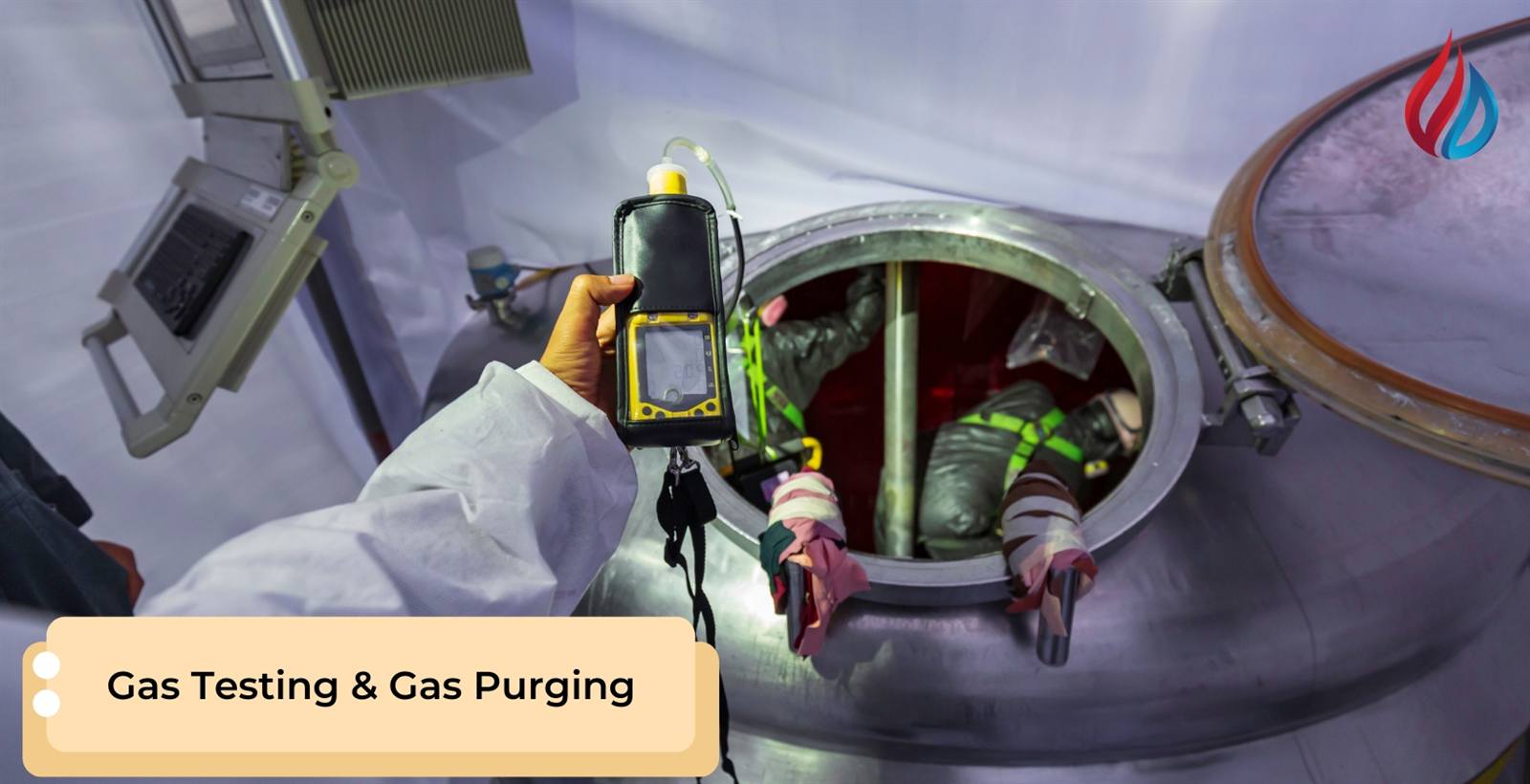
Gas testing detects the presence of harmful gases in a system, ensuring that it operates within safe gas concentrations and complies with regulations. Gas purging removes unwanted gases using inert gases like nitrogen, argon or carbon dioxide to prevent hazards such as explosions or contamination.
Together, these processes maintain the safety and functionality of important industrial systems, especially when dealing with hazardous environments.
Why Are They Important for Safety?
Gas testing identifies harmful gases before they pose risks to personnel or equipment, while gas purging removes these gases to maintain a safe environment. Together, they prevent accidents and explosions and ensure compliance with safety regulations. Maintaining a controlled gas environment reduces risks and enhances system efficiency.
Regular gas testing and purging also avoid contamination, corrosion and equipment damage. Clean systems require less maintenance, have fewer breakdowns and last longer, saving time and resources by reducing repair needs.
Which Industries Benefit from These Services?
- Oil & gas: gas testing and purging prevent explosive mixtures in pipelines.
- Chemical processing: maintains purity and avoids contamination.
- Pharmaceuticals: purging preserves sterile environments.
- Manufacturing: prevents unwanted reactions during production.
Each industry uses these services to maintain compliance and optimise performance.
What Are the Methods of Gas Purging?
- Displacement purging: uses inert gas to push out harmful gases.
- Dilution purging: reduces gas concentrations to safe levels.
- Vacuum purging: removes gases by creating a vacuum and replacing them with inert gas.
The method used depends on the system’s needs and the gases involved. Evaluating the system ensures the correct method is applied.
What Equipment Is Used?
Gas testing requires advanced sensors and monitoring systems to detect harmful gases. Gas purging uses an inert gas supply, pressure regulators to control gas flow, purging valves to expel gases, and monitoring systems to track gas concentrations. This equipment ensures safe and thorough purging operations, protecting systems and personnel. The same equipment and procedures travel to all the areas we cover, and the homepage shows how a typical project runs.
Gas Testing & Purging, Frequently Asked Questions
How do you know if your system needs gas testing or purging?
Systems handling hazardous gases or chemicals require gas testing to detect leaks or hazardous mixtures. Gas purging is necessary when unwanted gases are detected or after system repairs or commissioning. Regular testing and purging should be part of routine maintenance to prevent hazards and ensure compliance.
What are the risks of not performing gas testing or purging?
Not performing regular gas testing and purging increases risks of explosive mixtures, contamination and equipment corrosion. Unpurged systems are prone to damage, leading to costly repairs and downtime. Regular testing and purging prevent these risks, ensuring safety and compliance.
How often should gas testing and purging be performed?
Frequency depends on the industry and the type of gases handled. Systems managing hazardous gases require more frequent testing and purging, typically as part of regular maintenance. Purging is also necessary after system repairs or commissioning. Our experts assess your system and recommend a tailored schedule for safety and performance.
What should you prepare before scheduling gas testing or purging?
Before scheduling gas testing or purging, ensure the system is accessible and identify the types of gases present. Plan for any required downtime if operations must be paused during the process. These preparations ensure smooth and efficient testing and purging, allowing the system to return to normal operations quickly.
Related Commercial Gas Services
Testing and purging sit alongside our other work: commercial gas installation when systems are new, commercial gas certificates when they need proving annually, and gas hot tapping when live pipework has to be modified without a shutdown.
Get Started Today
Protect Your Operations with Gas Testing and Purging
Gas Purging provides reliable gas testing and purging services to ensure the safety, compliance and efficiency of industrial systems. Contact us today to schedule an assessment and maintain gas safety in your facility.